
Single Source of Truth AI System for SMBs
Learn how to build a Single Source of Truth AI System to centralize documents, SOPs, and workflows, helping SMBs reduce errors, improve efficiency, and scale operations faster with AI.
ENTREPRENEURSHIP & SYSTEMS THINKING
1/13/2026
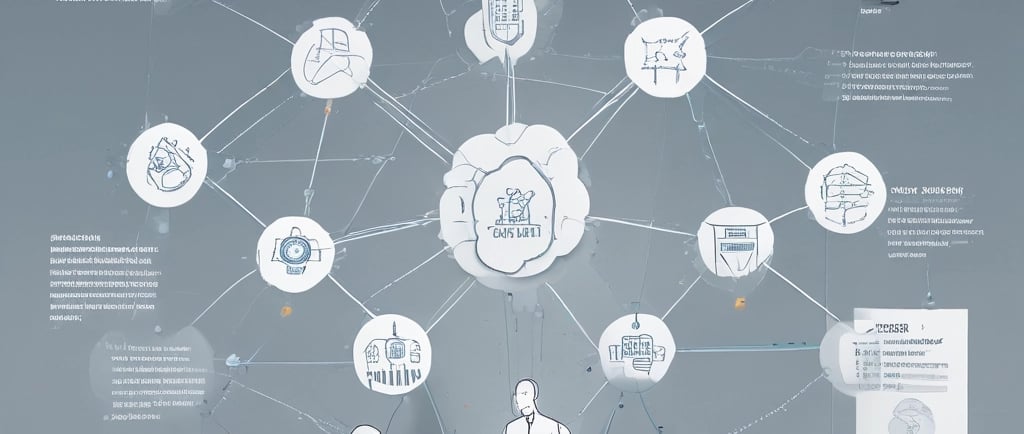
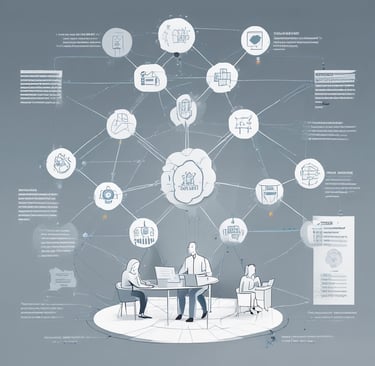
Objective: Build a centralized AI-powered system to manage documents, SOPs, and operational knowledge, enabling teams to execute faster, reduce errors, and streamline decision-making.
Why a Single Source of Truth Matters
Most small businesses store information across scattered tools: Google Docs, Slack, spreadsheets, PDFs, and internal wikis. This fragmentation causes:
Execution errors – outdated instructions lead to mistakes
Decision delays – managers spend hours searching for context
Inefficiency – repetitive questions slow teams down
A centralized, AI-powered “Single Source of Truth” (SSoT) solves these problems by consolidating knowledge, automating updates, and enabling AI-assisted retrieval for teams.
Step-by-Step Workflow to Build Your AI SSoT
Step 1: Audit Existing Knowledge
Inventory all docs, SOPs, spreadsheets, and shared drives.
Identify duplicates, outdated versions, and gaps.
Tag documents by department, process, and owner.
Tip: Use structured platforms like Notion, ClickUp, or Airtable for tracking.
Step 2: Standardize & Centralize
Choose a primary knowledge platform (e.g., Notion, Confluence).
Standardize document templates with:
Title, owner, last updated, version
Step-by-step instructions
Related tools or automation references
Migrate content systematically and merge duplicates.
Operational Note: This step takes time but is essential for adoption. Prepare a simple training session for teams to ease the transition.
Step 3: Integrate AI for Knowledge Retrieval
Deploy an AI assistant that can:
Search contextually across all SOPs
Pull instructions into Slack, email, or task management tools
Suggest next steps based on documented processes
Example Workflow:
A team member types a task query into Slack, and the AI instantly returns the most current SOP steps with links and templates.
Step 4: Automate Updates & Maintenance
Set triggers for SOP reviews whenever workflows change.
Schedule weekly AI audits to detect inconsistencies.
Include human approval to prevent false updates.
Pro Tip: Avoid over-automation; human-in-the-loop review ensures accuracy and trust in the system.
Step 5: Embed Knowledge in Daily Operations
Onboarding: AI walks new hires through updated SOPs.
Task execution: AI injects instructions into task boards.
Cross-team projects: AI ensures all dependencies reference current documentation.
Outcome: Reduced errors, faster execution, and fewer repetitive questions.
Common Pitfalls and How to Avoid Them
PitfallSolutionTeams ignore the SSoTIntegrate AI retrieval in Slack, Trello, or email for easy accessSOPs go staleSchedule weekly AI audits plus human reviewsToo many platformsLimit to 1–2 core systems and deprecate old tools graduallyComplex AI queriesStandardize prompts and provide ready-made templates
Suggested Tools Stack
Knowledge Base: Notion, ClickUp, Confluence
AI Layer: GPT (OpenAI) + LangChain / LlamaIndex
Automation: Zapier, Make, or native API integrations
Collaboration: Slack, Trello, Asana
Actionable Takeaway
A well-implemented AI SSoT system is more than a repository—it’s a live operational assistant. Centralized knowledge improves execution, reduces errors, and frees founders to focus on growth.
Immediate Steps:
Audit all existing SOPs and docs
Choose a central knowledge platform
Integrate AI retrieval and alerts
Train teams and enforce weekly review cycles
Track KPIs: adoption, errors, retrieval time
Next in Your Operations Playbook
Connect with Highway Robot
For support, product questions, or strategic collaborations.
subscribe
📧support@highwayrobot.com
© 2026. All rights reserved.